
Last updated November 16, 2026
 Wrought iron
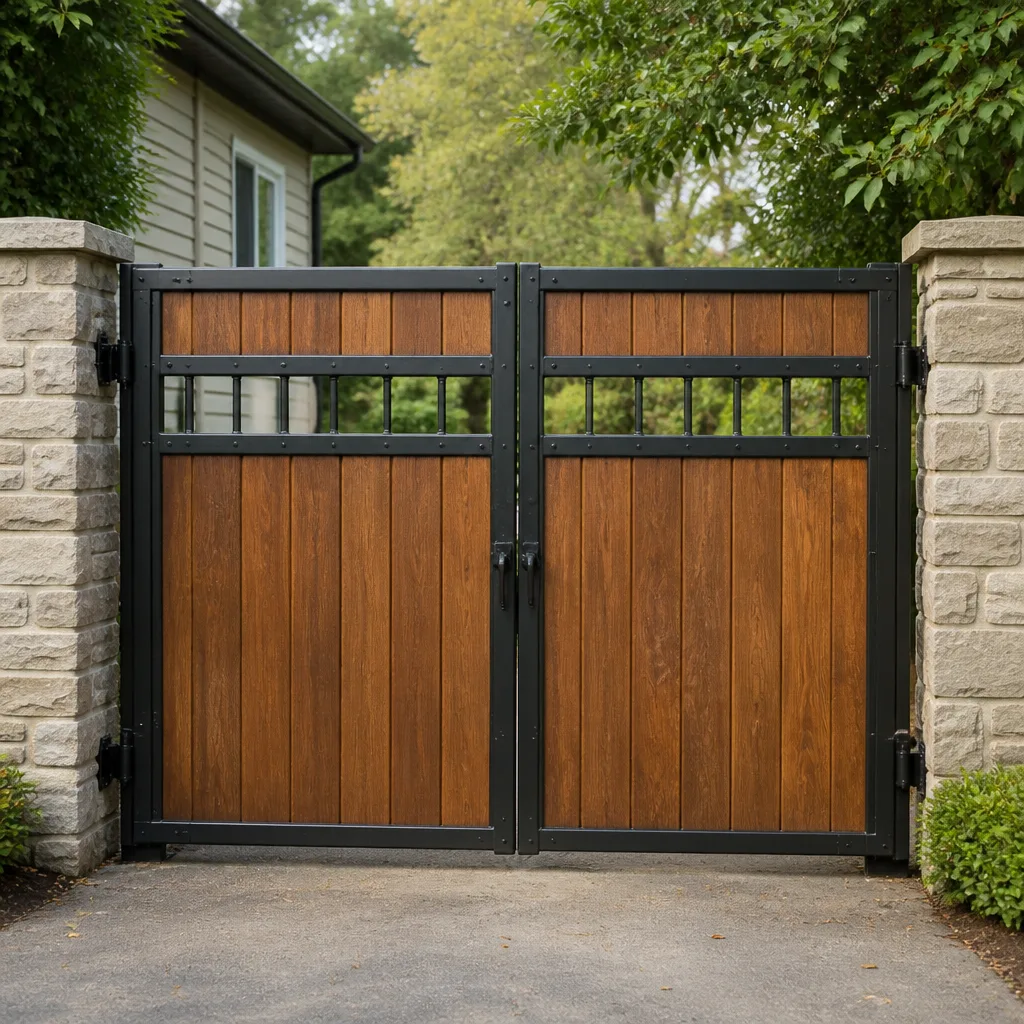 Wood & steel frame
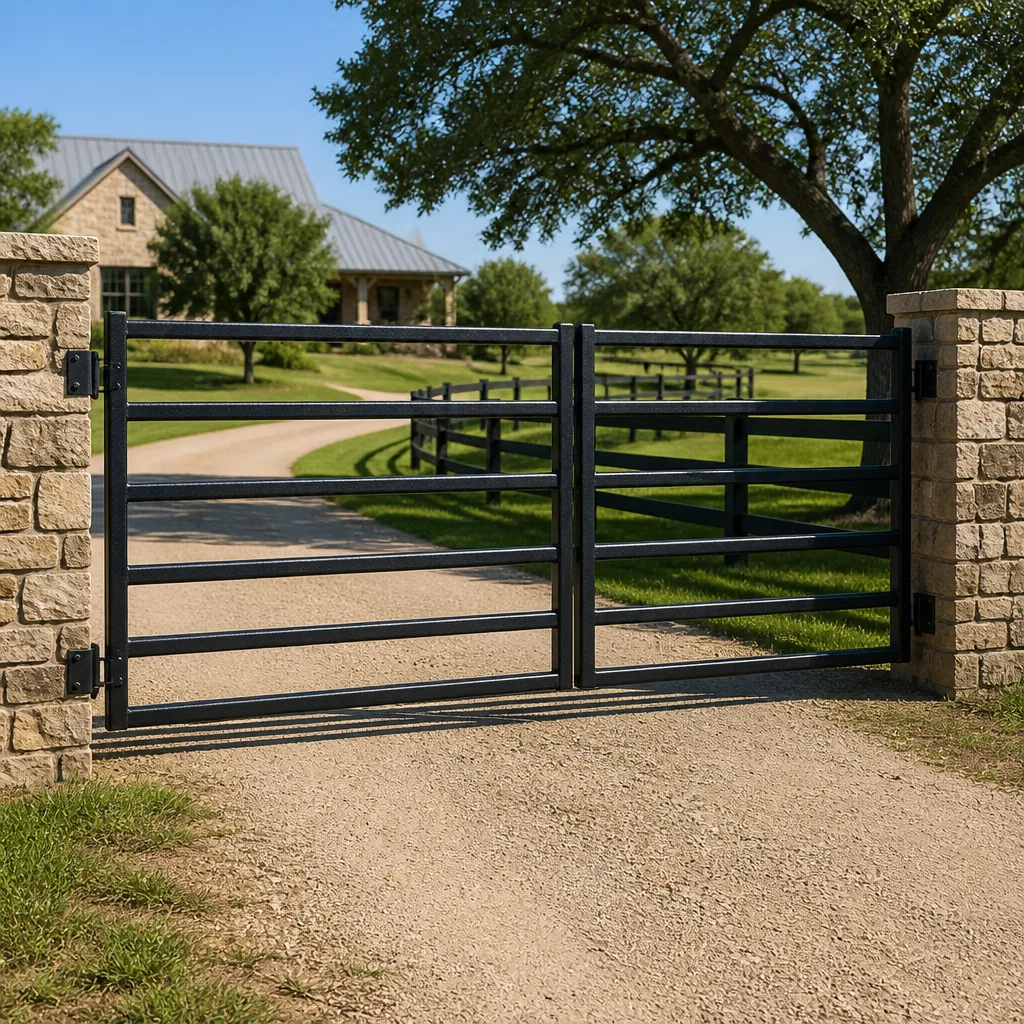 Farm & ranch
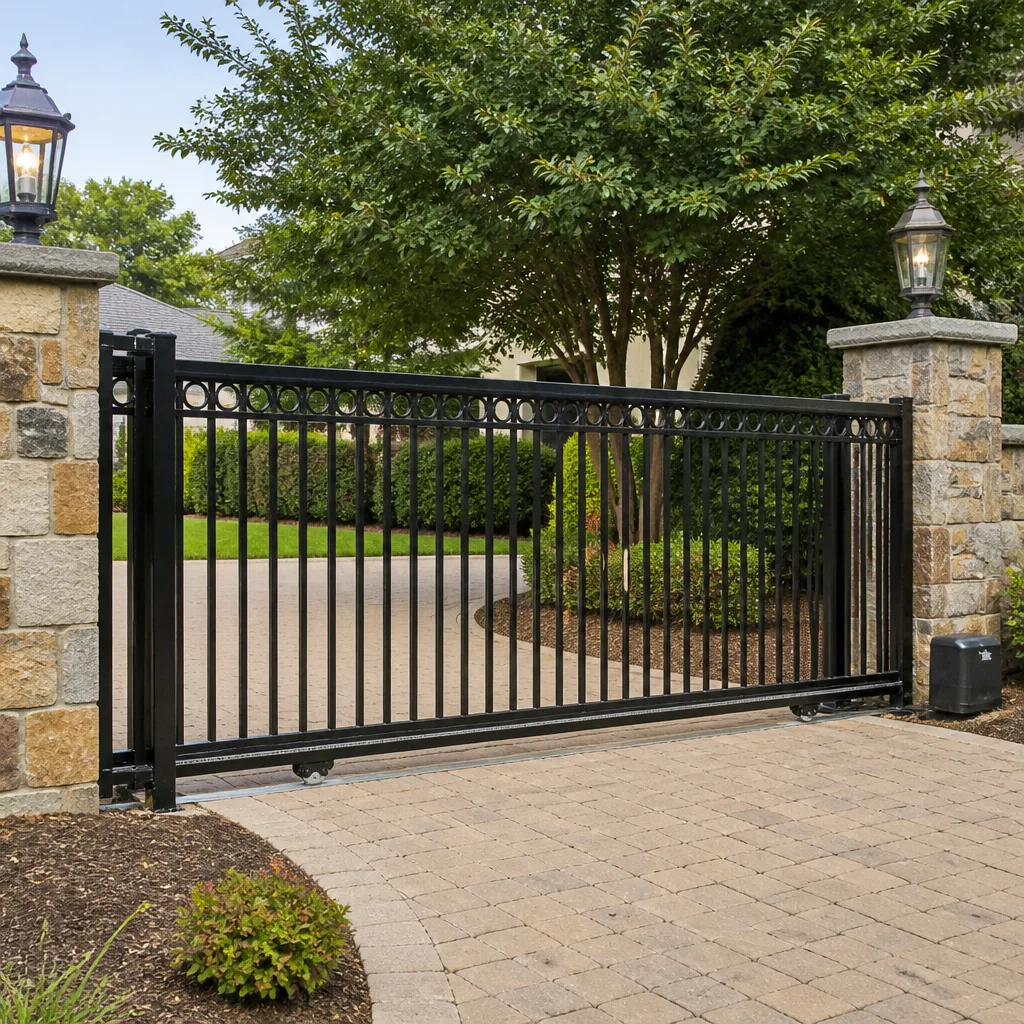 Sliding driveway gates
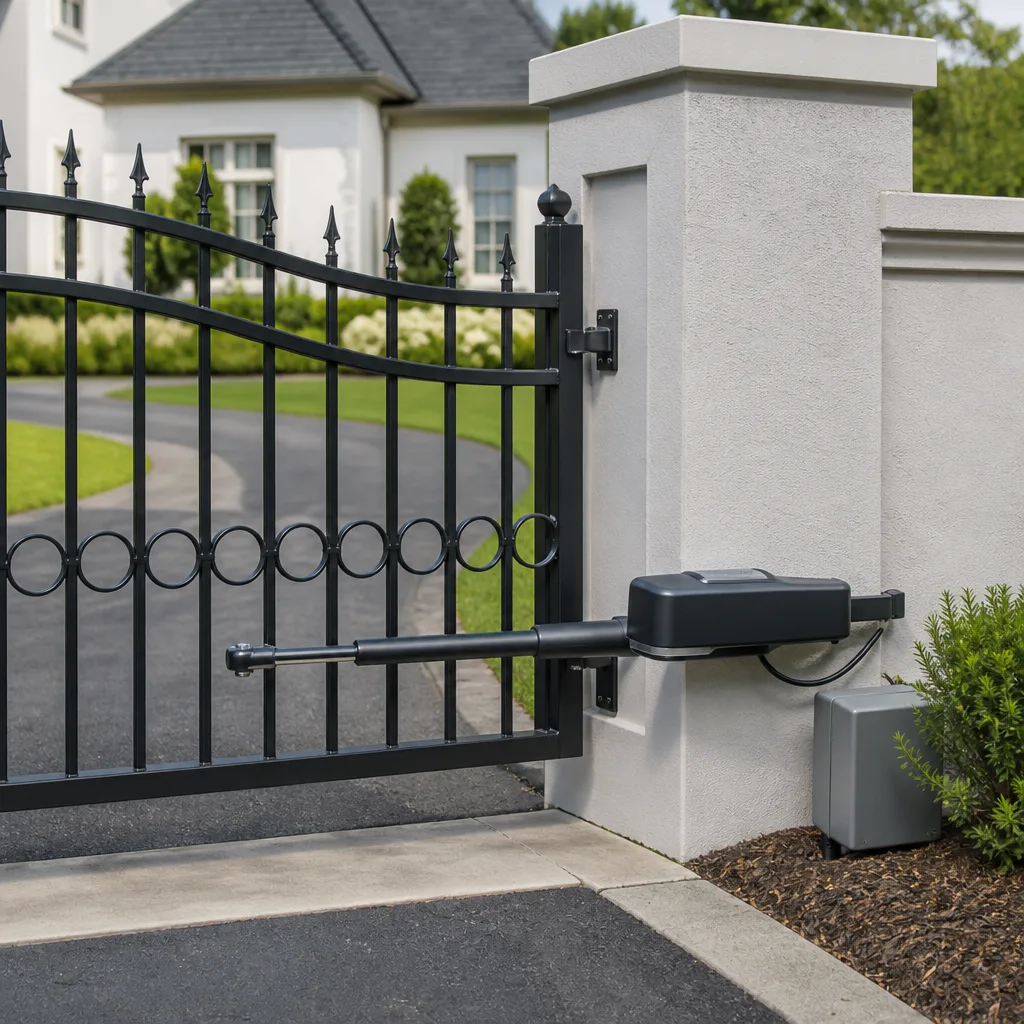 LiftMaster operators
Free on-site gate assessment - hinges, posts, and your LiftMaster or Nice gate operator checked before anything is quoted
The assessment is free and the quote is the invoice.
Get your free estimateGate Repair Permits, Codes & Inspections in Virginia Beach, VA: What You Need to Know
A gate that passed inspection when it was installed may not pass today. That’s the part most homeowners miss. Safety standards for automatic gate operators have been revised over the years, and a system that was fully compliant a decade ago can now be non-compliant if it doesn’t include the entrapment protection the current standards require. The consequence isn’t just a failed inspection – it can affect what your insurance covers and what you’re obligated to disclose when you sell. This guide walks through the City of Virginia Beach permit triggers, the safety standards that apply to residential operators, HOA overlay rules, inspection prep, and the resale and insurance issues that catch people off guard.
Quick Answer
Most gate repair in Virginia Beach does not require a building permit. Routine maintenance, like replacing a control board, remote, motor, or sensor, is typically exempt. But adding a new gate, replacing a gate operator with a different model, or changing the gate’s structure, swing path, or electrical circuit usually does require a permit from the City of Virginia Beach. Any automatic gate should also meet current safety standards for entrapment protection, whether or not a permit is involved.
Styles & brands we work with
- Wrought iron
- Wood & steel frame
- Farm & ranch
- Sliding driveway gates
- LiftMaster operators
Table of Contents
- Which gate work needs a Virginia Beach building permit?
- How UL 325 safety standards apply to your residential gate operator
- HOA rules in Virginia Beach that apply even when the city doesn’t require a permit
- What happens during a gate inspection and how to prepare
- How unpermitted gate work affects insurance and resale
- Reading the city’s code language without a headache
- Choosing a gate contractor in Virginia Beach
Which gate work needs a Virginia Beach building permit?
The dividing line is between repair and construction. Repair keeps the gate and operator essentially as they were. Construction changes the structure, the electrical circuit, or the operator model. In general terms across Virginia, and consistent with how most Virginia municipalities handle it, anything that alters a structure or its electrical supply is treated as permitted work. So the practical question you need to answer before booking a crew is: does this job change the gate or its power, or does it just fix something that’s broken?
Work that typically does not require a permit
- Replacing a failed operator with the same model and same power configuration
- Swapping a control board, keypad, remote receiver, or safety photo-eye
- Repairing a hinge, roller, track, or lock on the existing gate leaf
- Replacing a battery in an existing solar operator setup
- Adjusting the limit switches so the gate opens and closes fully
- Replacing a loop detector or sensor in the existing conduit
Work that usually requires a permit
- Installing a new gate and any new automatic operator
- Changing the operator from a swing model to a slide model, or vice versa
- Widening the gate opening or altering the support columns
- Running a new AC circuit, or moving the existing power feed
- Rebuilding a damaged column or footing
- Converting a manual gate to automatic with a new operator and electrical work
A general note we always give: permit requirements vary by jurisdiction and by the scope of individual projects, and Virginia Beach has its own process. Before booking any structural or operator-replacement job, the best move is to call the city’s building department and describe the work. It takes one phone call and settles the question. If you’d rather not make the call, we can look at the job in person with you and tell you what the work involves so you know what to ask.
How UL 325 safety standards apply to your residential gate operator
UL 325 is the safety standard for automatic gate and door operators, and it sets the rules for entrapment protection. Any automatic gate in Virginia Beach that moves without a person actively holding a button should meet it, regardless of whether a permit is being pulled. This matters because the standard has been revised over the years, and older installations often don’t include the protection required today. The standard requires the operator to be classified by use, and then to include entrapment protection appropriate to that class – typically one or more of: a photo-eye sensor across the gate path, a reversing edge on the gate leaf, and a fail-safe design that stops or reverses the gate when something is detected.
In practice, a code-compliant residential setup usually looks like this:
- A UL 325-listed operator that’s been classified for the use – a residential driveway gate is typically Class I.
- At least one photo-eye or equivalent contact sensor covering the swing or slide path.
- A reversing edge on the gate leaf itself, on models that require it.
- The operator set to stop and reverse when the sensor is triggered, not just stop.
- A clear zone around the gate path with no obstructions and a warning decal facing the operator side.
- Manual release hardware that the operator manufacturer specifies, so the gate can be opened by hand in an emergency.
An automatic gate is a dangerous piece of moving equipment. Heavy gate leaves and slide panels can crush or pin someone who’s caught in the path, and the operator’s wiring carries line voltage. That’s why the safety edges and entrapment sensors exist. If you think your gate is missing one of them, or if you don’t know whether your system has been upgraded to current standards, don’t test the sensors by walking through the path. Let an experienced technician check it with the tools to do so safely. Our gate-only team can inspect an operator of any brand – we work with Linear and Viking residential systems as well as commercial units from DoorKing – and tell you what your specific operator is required to have.
HOA rules in Virginia Beach that apply even when the city doesn’t require a permit
This is the layer that gets overlooked. In Virginia Beach, most of the newer residential communities have a homeowners association, and the HOA can regulate your gate even when the city doesn’t require a permit at all. A fence-and-gate decision that clears the building department’s question can still trip an HOA rule the reader never thought to look up.
An HOA’s architectural review process typically covers:
- Gate height, style, material, and color, particularly on a street-facing fence line
- Whether the gate swings inward or outward and where it lands on the lot
- The number of gate openings and driveway access points
- Where the operator’s wiring and controls are placed relative to landscaping and common areas
- Whether the gate leaf can be seen from the community street
- Landscaping requirements around the gate columns
Two things to do before you touch the gate: read your HOA’s covenants, conditions and restrictions (usually called CC&Rs), and submit the architectural review form with any plan. The trigger is not always obvious. Replacing a weathered gate leaf with an identical one is often fine, but changing a material, stain color, or gate style can require approval even if the city doesn’t care. In some Virginia Beach associations, adding an automatic opener to an existing manual gate technically counts as a structural change because of the conduit and control box, even when the city’s building department would treat the opener as maintenance. Get the HOA answer in writing, and keep it with your property records. It’s good insurance against a letter from the association later.
What happens during a gate inspection and how to prepare
A gate inspection in Virginia Beach follows the same basic path as any other building inspection. An inspector confirms the work matches the permit, then checks the safety-critical items on the gate itself. The two failure categories are structural and electrical – most inspections pass on a technicality check.
What the inspector looks at, in general terms:
- The gate and columns match the submitted plans and permit scope.
- The operator is UL 325-listed and the correct model for the gate’s use classification.
- Entrapment protection is present and functioning – photo-eyes, reversing edges, or both as the operator requires.
- Electrical work meets code, with proper conduit, disconnects, and GFCI protection where required.
- The gate operates fully through its open and close cycle with no binding or obstruction.
- Safety decals and warning signage are in place and facing the operator-side of the gate.
- Manual release hardware works and matches the operator.
To prepare, three steps do most of the work:
- Have the permit, approved plans, and any HOA approval on site.
- Clear the swing or slide path completely and leave the gate powered up.
- Run the gate through a full open-close cycle yourself before the inspection so any issue surfaces early.
If a sensor connection is loose, or the reversing edge isn’t set to reinstate on trigger, those are the kinds of issues that cost a re-inspection. That’s a separate line item with the city. When we do an electric gate repair job in Virginia Beach that involves a permit, we test the safety cycle the same way the inspector will, so the inspection is a verification step rather than a surprise. Our technicians have up to 14 years of experience, and a diagnostic visit tells you exactly what’s required for your specific operator.
How unpermitted gate work affects insurance and resale
The hidden cost of unpermitted gate work shows up at two moments: after a storm, and at the closing table. Neither is a pleasant time to discover the problem. On insurance, a homeowner’s policy and its claim process expect the property to meet code, and non-compliant work can complicate a claim. On resale, Virginia’s property disclosure obligations mean you may have to disclose known code violations, unpermitted work, and any HOA enforcement related to the gate. The buyer’s inspector will pick up on missing permits.
The worst-case version isn’t dramatic – it’s quiet. A gate that’s been modified without a permit, isn’t compliant with the current operator standards, and gets damaged in a storm can create a claim question that takes a month to sort out. The gate might still work. The paperwork doesn’t.
If you’re buying a Virginia Beach property with an automatic gate, pull the permit history for the address from the city, and ask for the operator manuals and any service records. If you’re selling, and you know an operator has been replaced without a permit, it’s worth having the job brought up to code before the inspection – retroactively permitted work is far simpler than trying to explain unpermitted work in a disclosure packet. Our gate repair team can look at the installation and tell you what may need to be brought into compliance.
Reading the city’s code language without a headache
The building code that applies to a gate in Virginia Beach is a mix of three layers: the Virginia Uniform Statewide Building Code, which adopts national model codes with state amendments; the City of Virginia Beach’s local ordinances and amendments; and any community-specific HOA rules. Most gate work doesn’t require you to read the code, but the practical question comes up when someone is deciding whether to pull a permit for what looks like a small job. Here’s how to figure it out without reading the whole book.
A short working method:
- Describe the work in one sentence, in writing. “Replace the operator with the same model” is different from “Install a new automatic operator on the existing gate.”
- Call the City of Virginia Beach building department. Say your address, the gate type, and the work you want to do. Ask whether the work is a permit item or a maintenance item.
- If it’s a permit item, ask what’s needed to submit – typically a simple plan, operator spec sheet, and electrical scope.
- If the answer is “maintenance,” ask them to confirm the exemption in writing, or note the name and date of the call.
- Ask the HOA’s architectural committee the same question, even if the city said no permit is needed. The overlays don’t always match.
In our experience, homeowners who call the building department before starting the job get a clear answer in a few minutes, and the answer doesn’t change once the permit is filed. The call is worth making. Just as important: ask the contractor you hire whether they’ve done permitted gate work in Virginia Beach.
Our gate repair service includes helping you understand what the work involves before any permit question comes up.
Choosing a gate contractor in Virginia Beach
A gate contractor who understands permitted work and UL 325 compliance is a different hire than a fence installer or a handyman. The right questions to ask, before booking any work:
- Do you work on the operator brand I already have? A gate specialist should be able to diagnose the unit on-site, whether it’s a Ghost Controls residential arm or a DoorKing commercial setup.
- Have you done permitted gate work in Virginia Beach before? Experience with the city’s process matters more than general fence experience.
- Do you check and test entrapment protection, or only replace parts until the gate opens?
- Will you explain in plain terms which work needs a permit and which doesn’t?
- Do you diagnose and repair on-site, or do you have to order parts and come back?
The specialist-versus-generalist distinction shows up fastest on electric gates. Control boards, loop detectors, keypads, and safety sensors require a technician who deals with them routinely. General contractors often subcontract that part out, and the diagnosis gets lost between trades. We’re a gate-only shop – our job is the gate on your property, not fence work or garage doors – so every technician and part decision is built around gates. From residential driveway gates to commercial access systems, we work on the gate you already have, not the one we’d like to sell you.
For general questions about the repair side of gate ownership, our Ashton Gate Repair team can walk you through what a visit covers. For operators and controls specifically, see our electric gate repair page.
Common Mistakes to Avoid
- Assuming “repair” never needs a permit. Replacing an operator with a different model is usually not maintenance in the city’s eyes. Check first, because a job that starts as “just fix the opener” can become a permit item.
- Skipping the HOA call. Even if the City of Virginia Beach says no permit is required, the HOA’s architectural committee may need to approve the work. Submitting the form after the gate is up rarely ends well.
- Installing an operator without entrapment protection. A photo-eye or reversing edge isn’t optional on an automatic gate. Skipping it creates a real safety hazard and a compliance problem.
- Not keeping the paperwork. Permits, inspection sign-offs, operator spec sheets, and HOA approvals belong in your property file. They’re the first thing a buyer’s inspector asks for.
- Leaving an old operator non-compliant at resale. A Virginia Beach property disclosure includes known code issues. Getting the system brought up to current standards before listing is far simpler than explaining it in escrow.
- Hiring the generalist. A fence installer or handyman who doesn’t routinely handle control boards, loop detectors, and safety sensors may get an electric gate working but leave it non-compliant or misadjusted.
- Testing safety sensors yourself. Walking through an automatic gate’s path to see if the photo-eye works is dangerous. Let a technician check it with the right tools.
See the difference
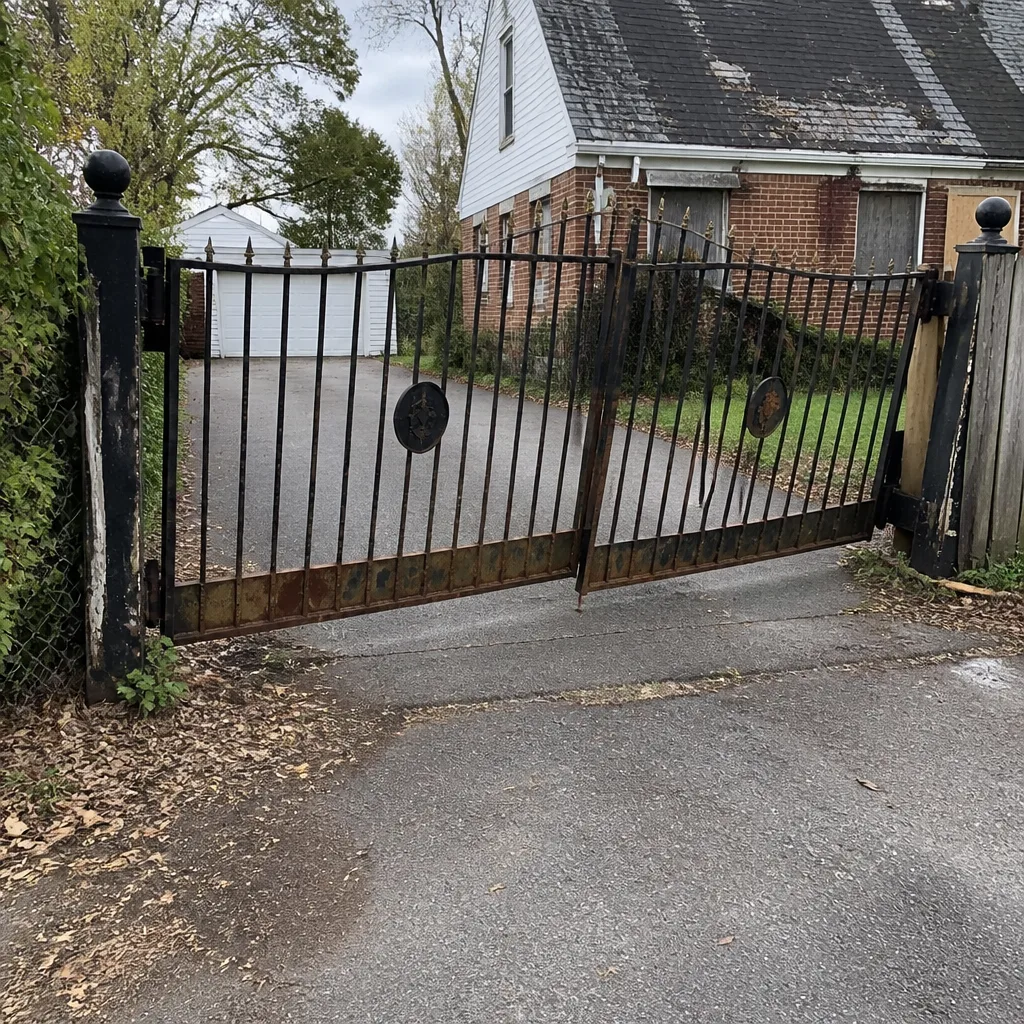 Before
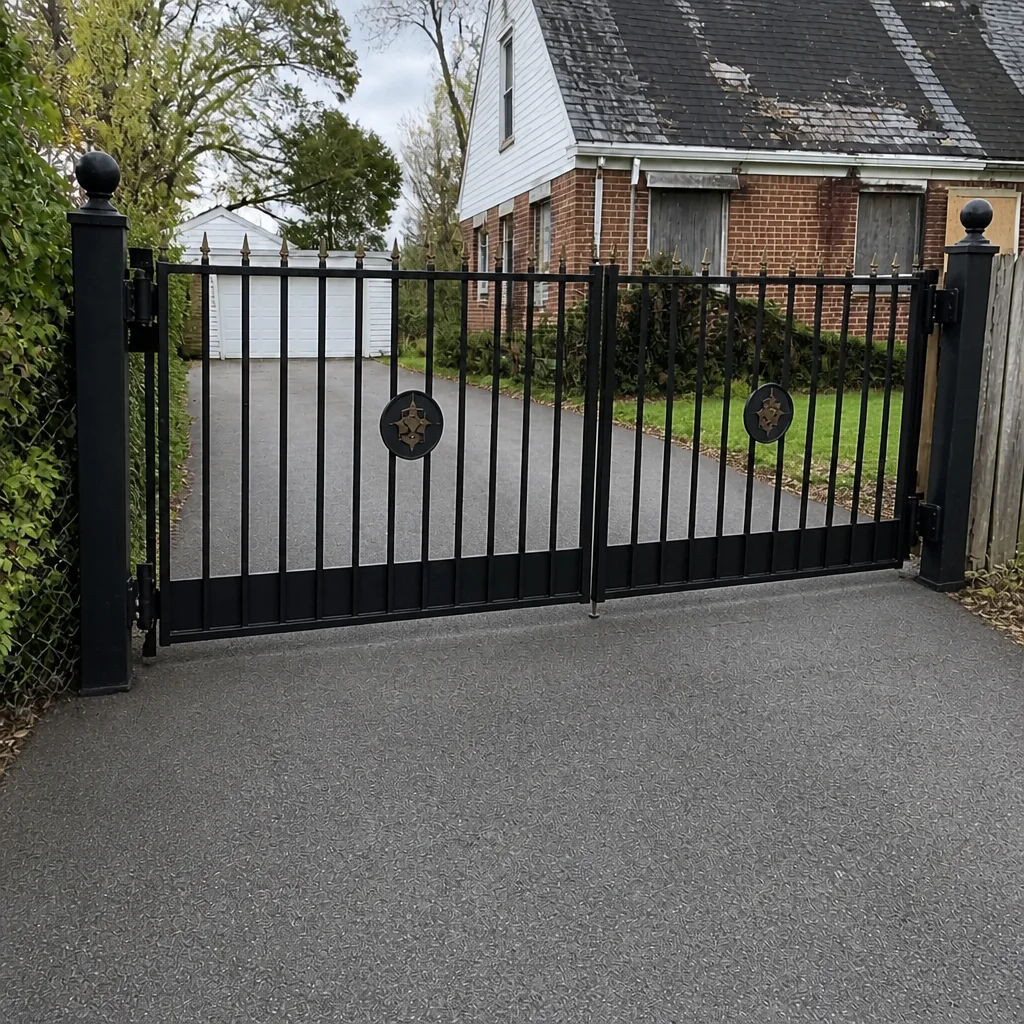 After
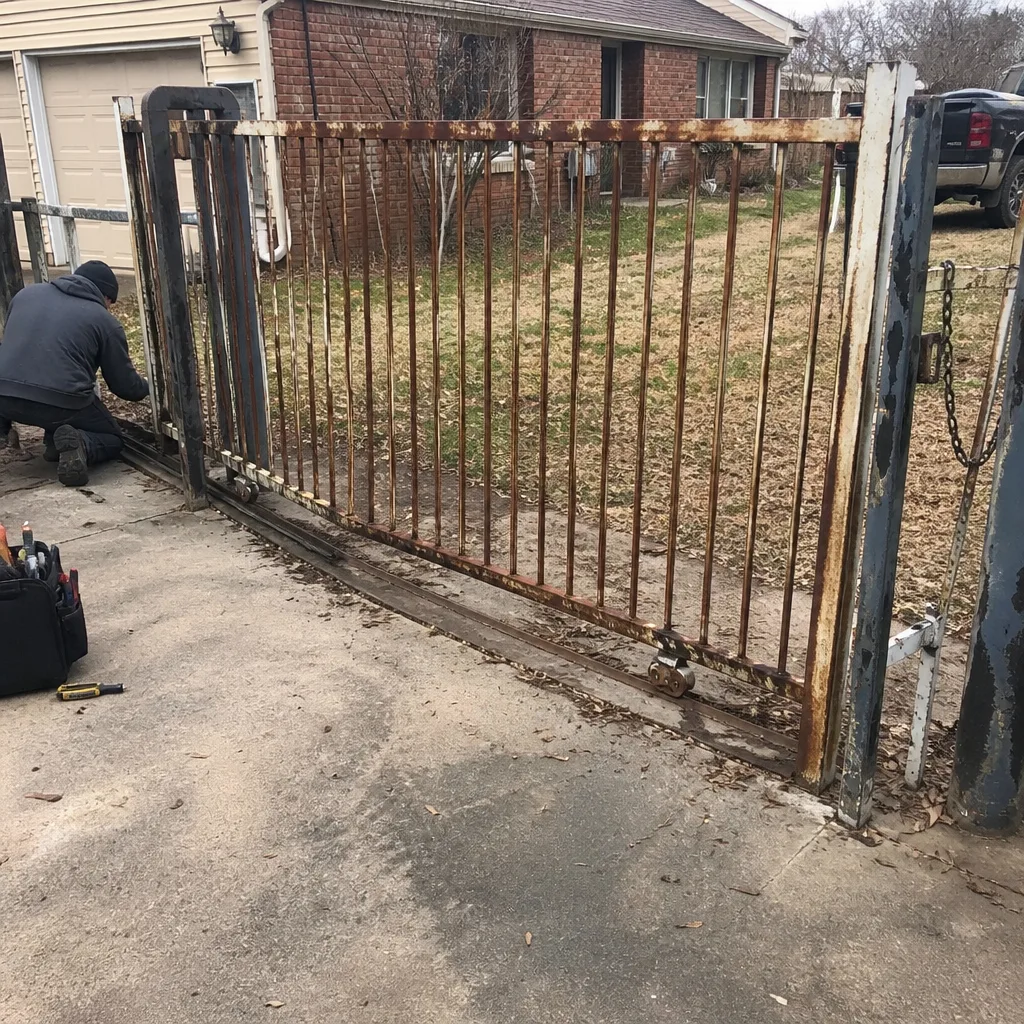 Before
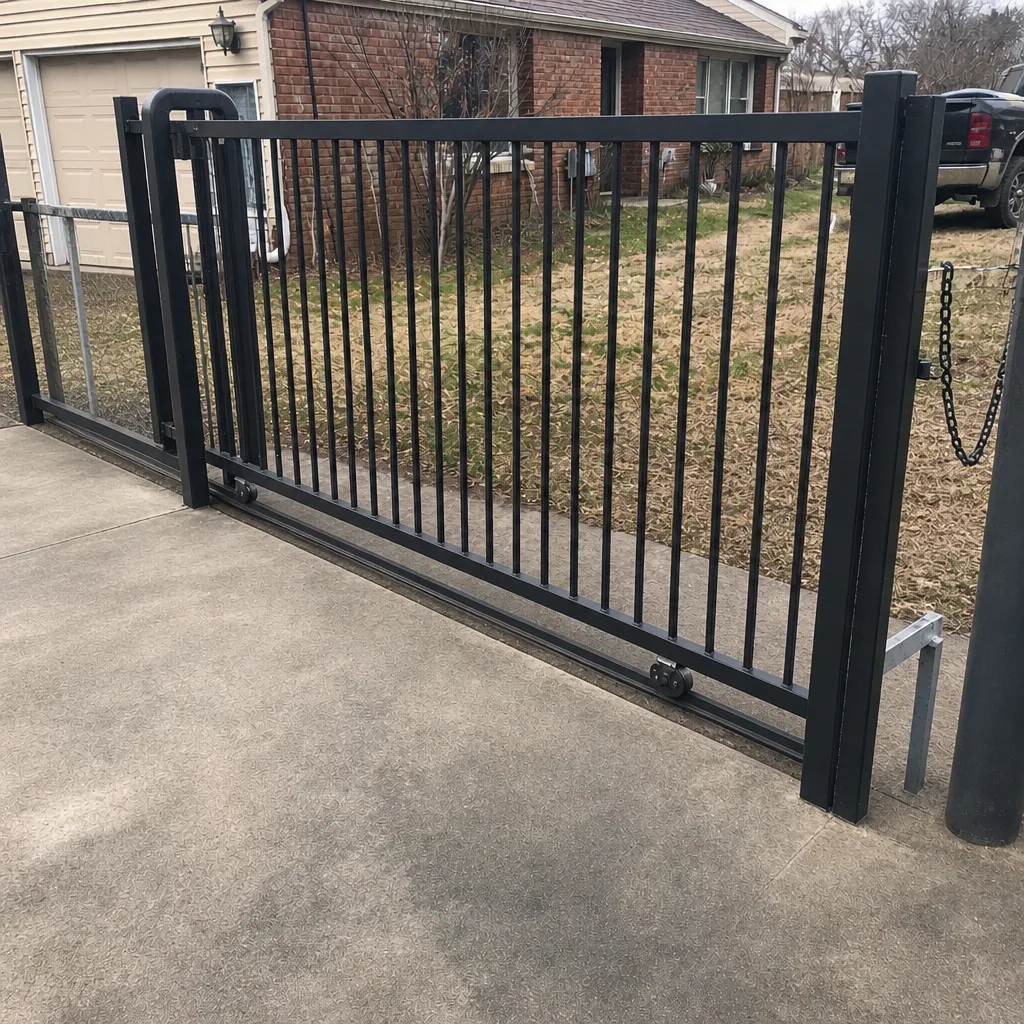 After
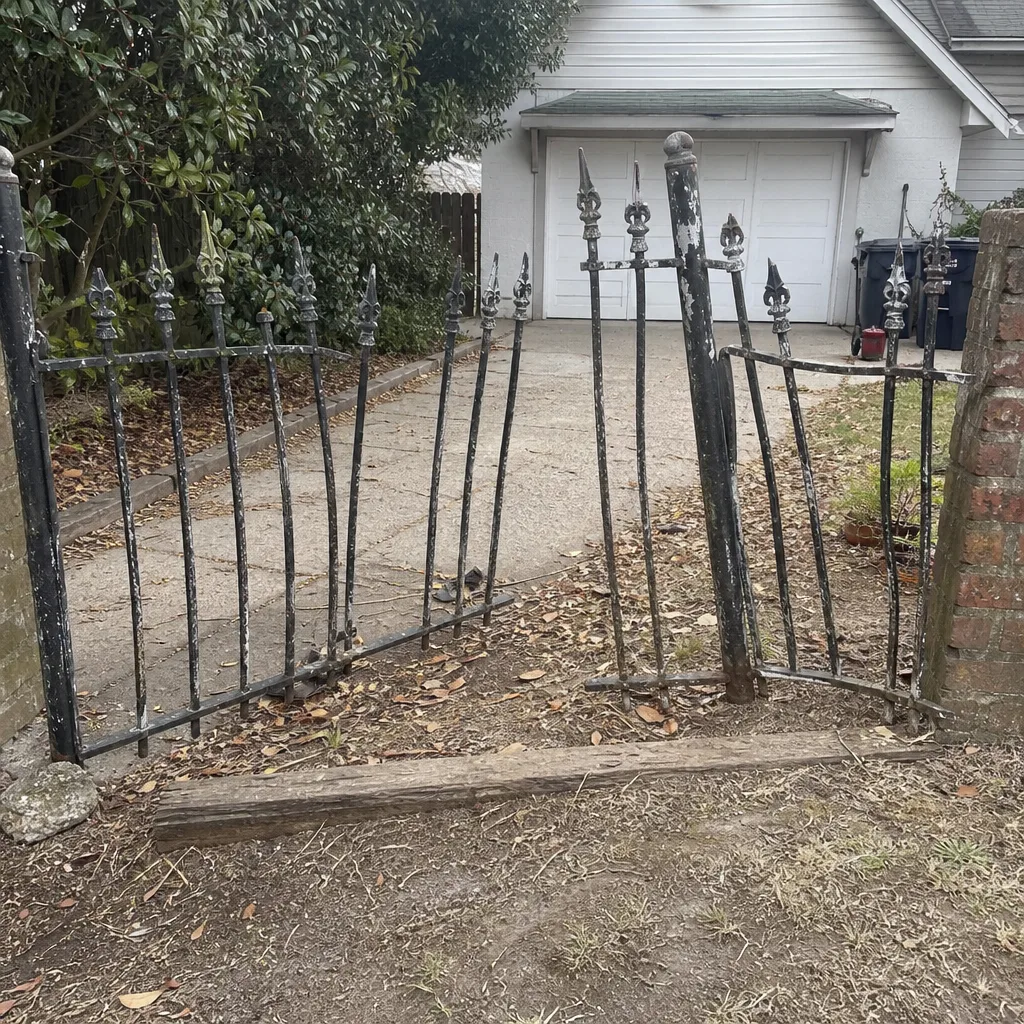 Before
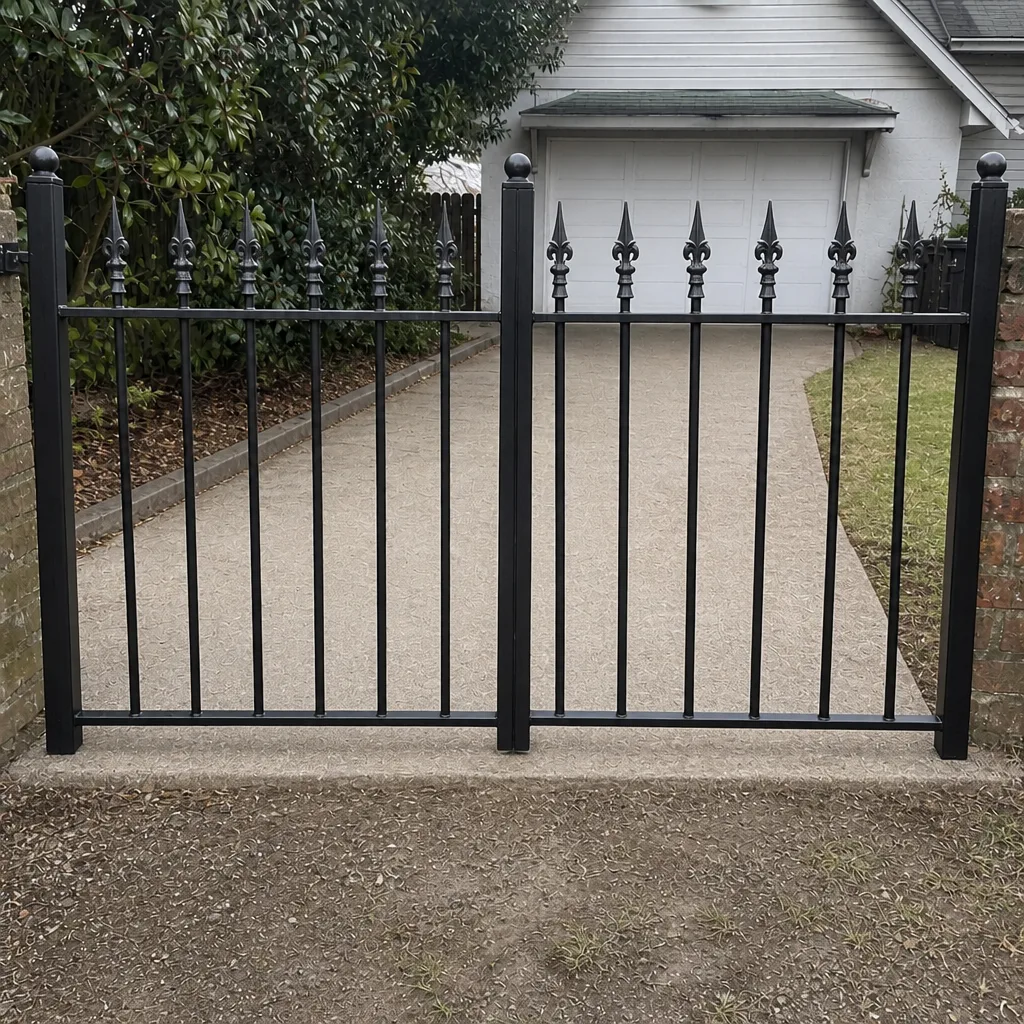 After
When to Call a Professional
Some gate work is safe to put off. Anything involving electrical supply, the operator, or the safety sensors isn’t. Call an experienced technician when the gate reverses partway, when the photo-eyes or reversing edge may have failed, when the operator’s control board is acting unpredictably, when a permit is needed and the job is beyond a simple swap, or when you’re buying or selling a Virginia Beach property with an automatic gate and the paperwork isn’t clear. Adding or replacing an operator with a different model, running electrical to a new installation, and bringing an older system into UL 325 compliance are jobs for a trained professional – not a weekend project. As a gate specialist, we handle residential and commercial systems from Linear, Viking, Ghost Controls, and other major brands, and we diagnose most problems on a single visit. Ashton Gate Repair offers free estimates in Virginia Beach – call (844) 834-3028. We answer 24/7. Fast dispatch from 7am to 7pm, Sunday through Friday.
Frequently Asked Questions
It depends on the scope. Replacing a failed operator with the same model and same power setup is usually treated as maintenance and doesn’t need a permit. Changing the operator model, converting swing to slide, or running new electrical work usually does. Call the City of Virginia Beach building department with the work described in one sentence to get a definitive answer for your job. Call (844) 834-3028 and we’ll walk through the scope with you so you know what to ask – estimates are free.
UL 325 is the safety standard for automatic gate operators, and any automatic gate should meet the standard applicable at the time it was installed, with current versions including specific entrapment protection like photo-eyes and reversing edges. If you don’t know whether your system meets it, having it checked is worth doing. Call (844) 834-3028 for a free estimate on an inspection.
It can. Non-compliant or unpermitted gate work can complicate a claim after storm damage, and Virginia’s property disclosure rules mean you may have to disclose known code issues when you sell. Bringing the installation into compliance before a claim or a listing is far simpler than resolving it after. Call (844) 834-3028 for a free estimate on bringing the system up to standard.
The inspector verifies the work matches the permit, checks the operator’s classification and entrapment protection, confirms electrical code compliance, and runs the gate through a full cycle. Prepare by having the permit and any HOA approval on site, clearing the gate path, and powering the system up. If you’d like a pre-inspection check, call (844) 834-3028 for a free estimate.
Usually not. Converting a manual gate to automatic involves a new operator and typically new electrical work, both of which are typically permit items in Virginia Beach. Check with the city’s building department before booking the work. Call (844) 834-3028 for a free estimate on what the installation involves.
Yes, often. Many Virginia Beach associations have an architectural review requirement that covers gate style, height, color, swing direction, and even conduit placement, and that applies whether or not a city permit is required. Read the CC&Rs and submit the review form before the work starts. Call (844) 834-3028 for a free estimate on the gate work itself.
The Bottom Line
The permit question isn’t about paperwork for its own sake. It’s about protecting you after a storm, when a property is sold, and when a heavy gate is moving near people. The working rules to keep: routine repair usually doesn’t need a permit; new operators, structural changes, and new electrical work usually do; every automatic gate should meet current entrapment protection standards; and the HOA layer applies even when the city’s answer is “no permit required.” When in doubt, call the City of Virginia Beach building department, get the answer in writing, and keep the paperwork with your property file. If you want a technician who knows the gate on your property and can tell you what it does and doesn’t need, call us. For readers in Virginia Beach, we’re here for repair, electric gate work, and new installations from the first question through the final inspection.
Call (844) 834-3028 for a free estimate. We answer 24/7. Fast dispatch from 7am to 7pm, Sunday through Friday.
Written by the team at Ashton Gate Repair.