
Last updated November 16, 2026
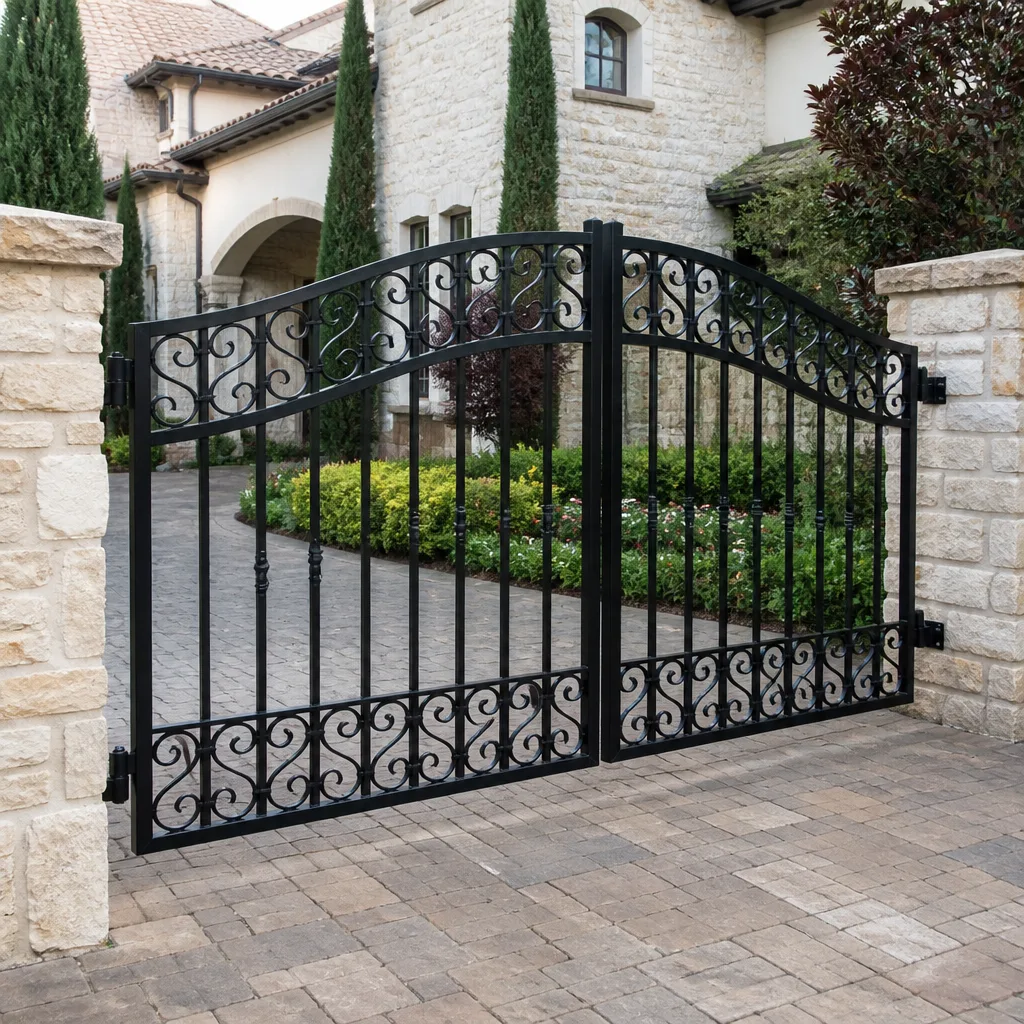 Wrought iron
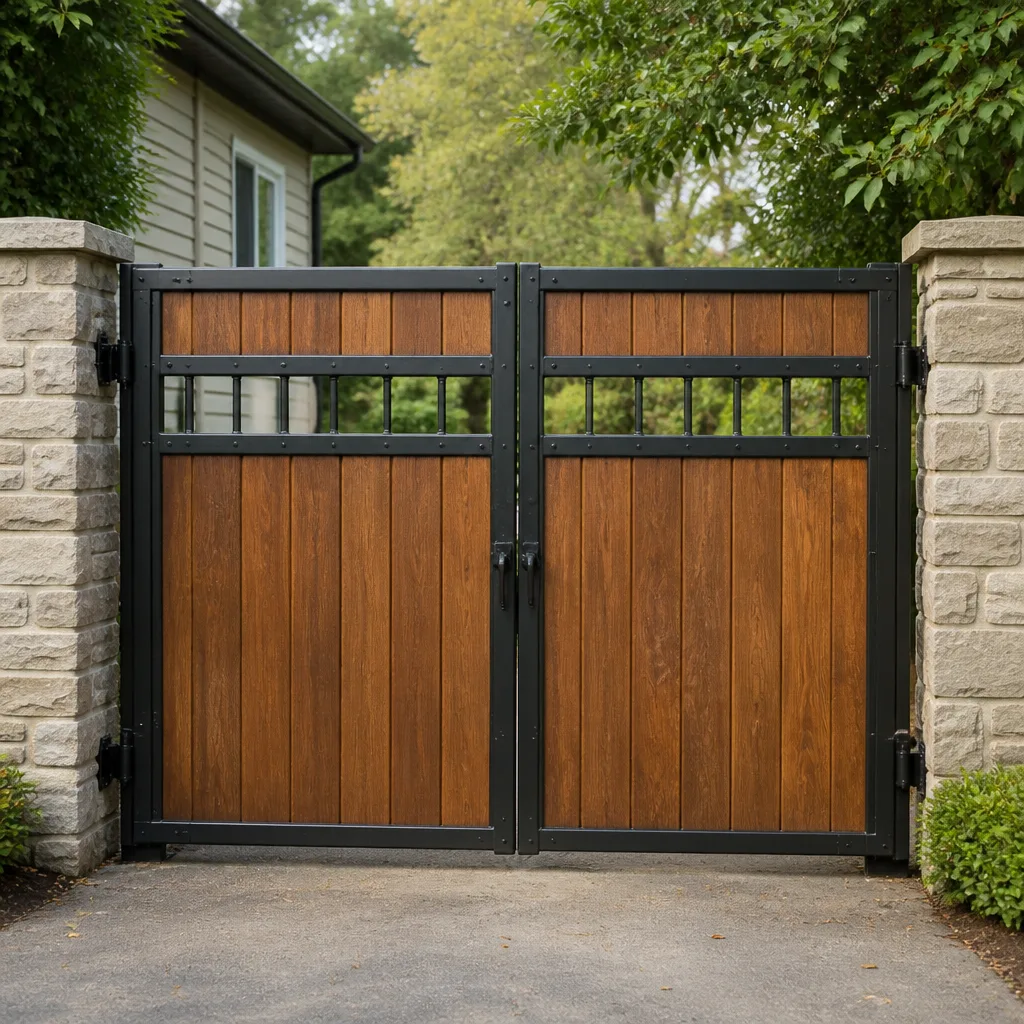 Wood & steel frame
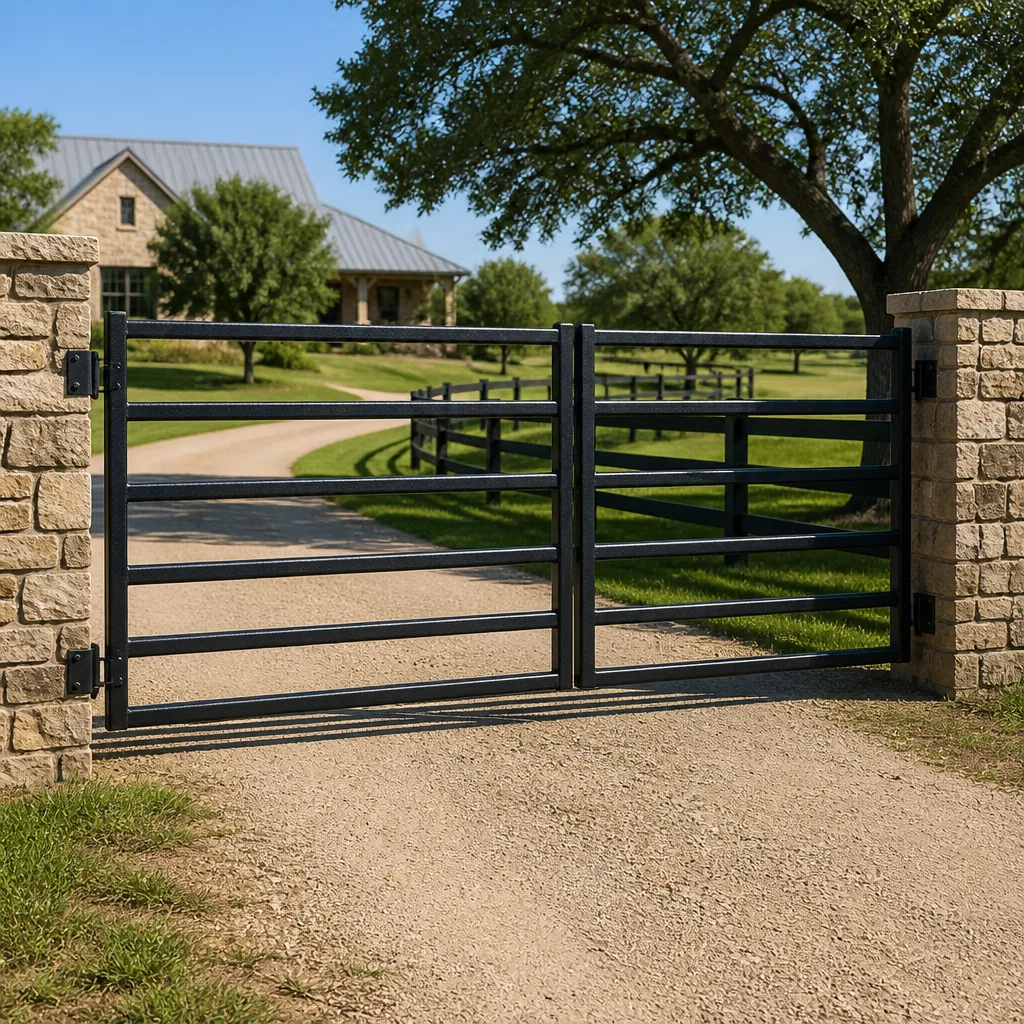 Farm & ranch
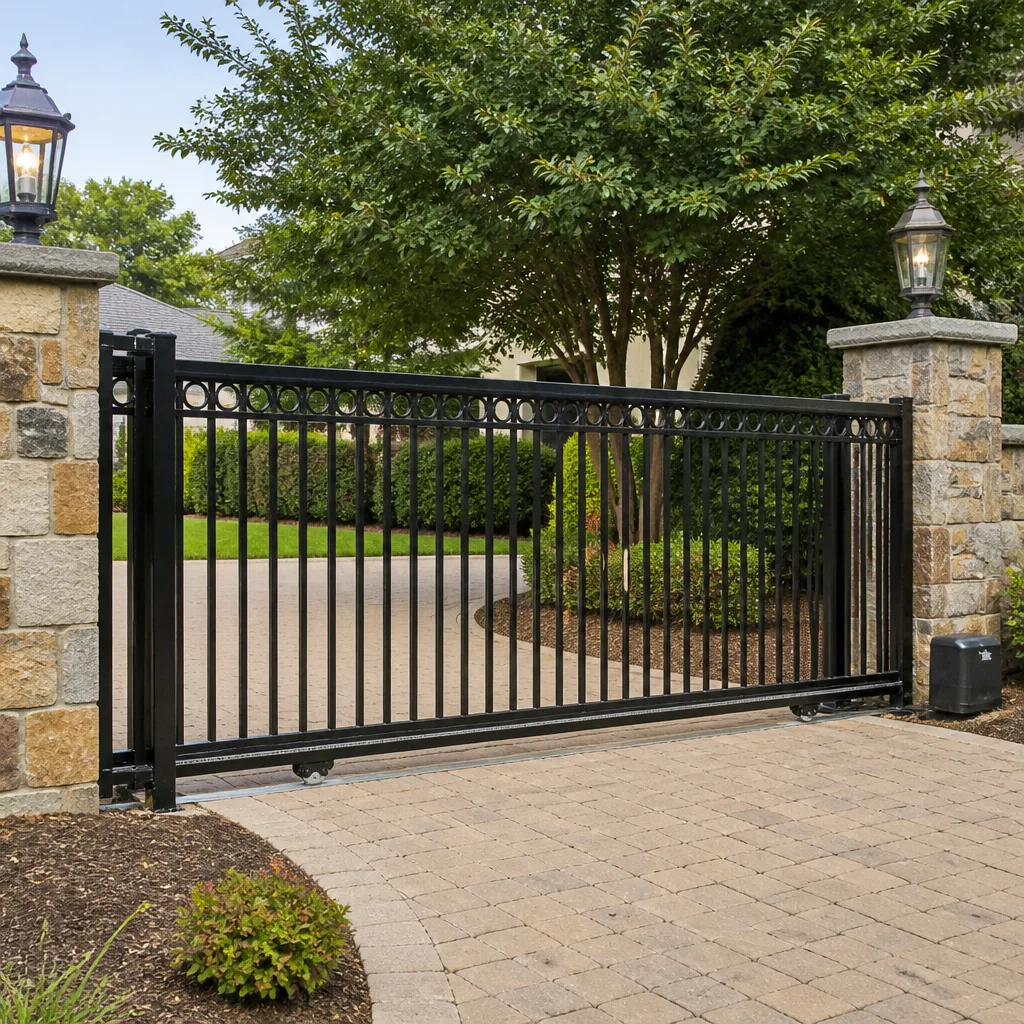 Sliding driveway gates
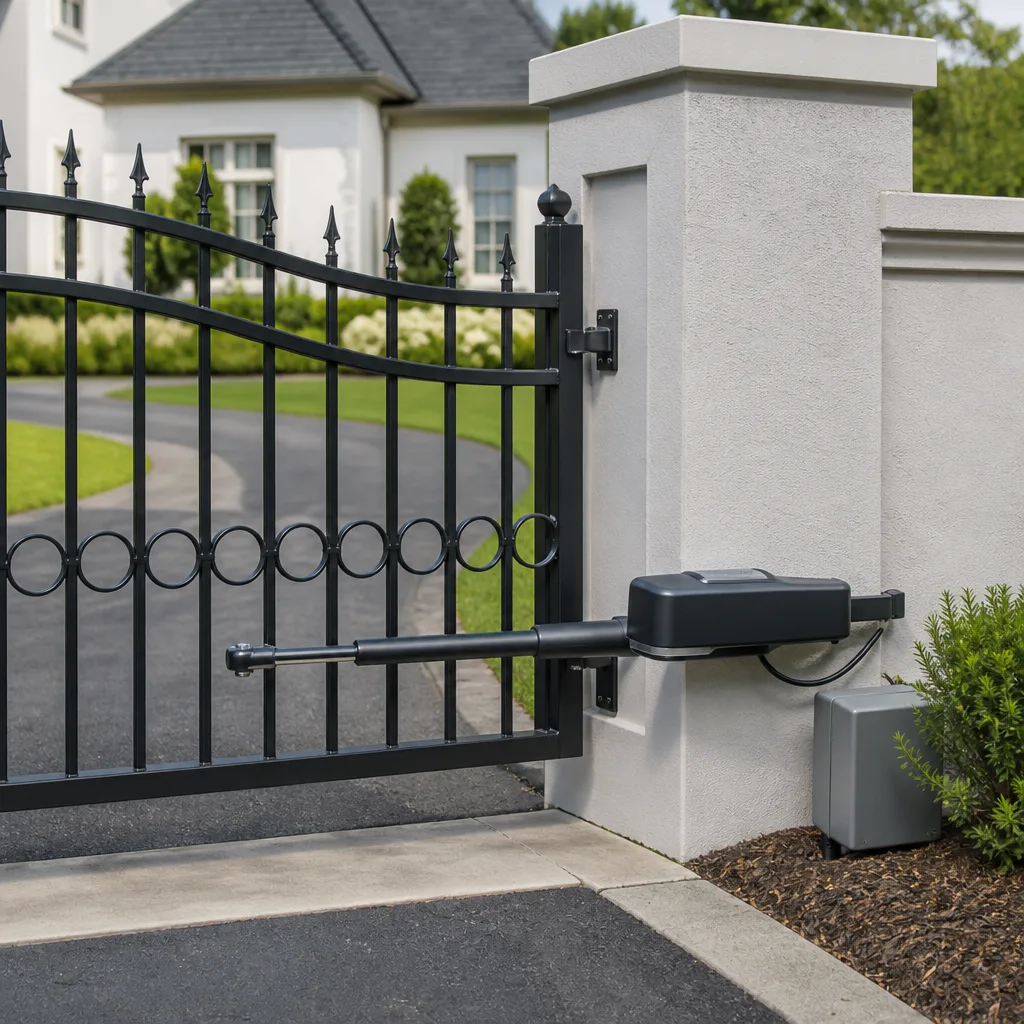 LiftMaster operators
Free on-site gate assessment - hinges, posts, and your LiftMaster or Nice gate operator checked before anything is quoted
The assessment is free and the quote is the invoice.
Get your free estimateGate Repair Warning Signs: A Virginia Beach Homeowner’s Reference Guide
A gate that hesitates for two seconds before it moves isn’t “a little slow.” It’s an operator drawing excess current because a bearing is failing, a chain has slipped off its sprocket, or the motor itself is on its way out. Most gate failures we’re called to in Virginia Beach weren’t sudden at all. They announced themselves weeks earlier through a sound, a stain, a remote that stopped working from the driveway, and someone dismissed it as nothing. This guide decodes what those signals actually mean mechanically, so you can describe the problem accurately, judge how urgent it is, and catch trouble before it becomes an emergency.
Quick Answer
The main warning signs that a gate needs repair are unusual sounds (grinding, clicking, or humming without movement), a gate that moves slower or jerks, visible misalignment or a sagging panel, rust bleed beyond surface corrosion, intermittent operation, reduced remote range, and error codes on the operator. Any one of these indicates a mechanical or electrical fault worth diagnosing, and two or more together mean you should stop cycling the gate and have it inspected.
Styles & brands we work with
- Wrought iron
- Wood & steel frame
- Farm & ranch
- Sliding driveway gates
- LiftMaster operators
Table of Contents
- What the Sounds Tell You: Grinding, Clicking, and Humming
- Visual Signals Most Homeowners Overlook
- Electrical Warning Signs: Intermittent Operation, Remote Range, and Error Codes
- Adjustment Versus Repair: Why the Difference Matters
- Warning Signs Specific to Virginia Beach Gates
- What Different Operator Brands Tell You
- When a Warning Sign Is a Safety Issue
- A Monthly Walk-Around Checklist
What the Sounds Tell You: Grinding, Clicking, and Humming
Sound is the earliest and most reliable diagnostic signal a gate gives you, and it’s the one homeowners translate worst. “It’s making a noise” tells a technician almost nothing. Matching the exact sound to its mechanical source tells us where to look before we arrive, which shortens the diagnosis and keeps the repair scoped correctly. Here’s how we map the common sounds.
- Grinding or metal-on-metal scraping: usually a worn roller, a dry hinge, a chain running against a guide, or a track with debris or a bent section. Grinding that gets louder under load points to a bearing or bushing breaking down. Left alone, a grinding chain wears the sprocket teeth, and a sprocket is a bigger repair than a chain adjustment.
- Clicking or a single sharp clack when the gate starts or stops: often a limit switch engaging late, a relay in the control board firing, or a loose linkage taking up slack. A single click on startup can be normal. Repeated clicking without movement is not.
- Humming with no movement: the operator is receiving power but the motor can’t turn. Common causes are a seized bearing, a jammed gate, a failed capacitor on some operators, or a binding track. This is the sound to stop on. A motor that hums and stalls builds heat fast and can burn out a control board or the motor winding itself.
- Popping or snapping from the gate arm or hinge side: a worn pivot, a cracked weld at a hinge bracket, or a failing arm connection. Any snap under load deserves a look before the gate cycles again.
- A rattle that appears at speed: loose hardware, a worn roller stem, or a panel fastener backing out. Cheap to fix early, expensive if a roller drops out of the track.
One habit that helps: stand at the gate and listen to a full open and a full close without touching anything. Note where in the travel the sound starts. A grind at one specific point usually means a damaged section of track or a chain link, while a grind through the entire cycle points to a roller or bearing. That detail is worth its weight when you call. If you’re in Virginia Beach and the sound has changed in the last few weeks, that change is the finding. Call (844) 834-3028 and describe it. We answer 24/7. Fast dispatch from 7am to 7pm, Sunday through Friday.
Visual Signals Most Homeowners Overlook
Most people look at their gate every day and never actually see it. They see “gate open” or “gate closed.” The signals below need a deliberate look, ideally from a few feet back and from both sides of the driveway, because a problem that’s obvious from one angle disappears from the other.
Rust bleed patterns. There’s a real difference between surface corrosion and structural failure, and the pattern is the tell. Surface rust appears as an even film or scattered freckles on the face of the metal, and it’s cosmetic. Rust bleed that runs in a streak from a weld, a hinge, a bolt hole, or the bottom rail is different: it usually means moisture is sitting inside a joint or a tube that’s no longer sealed, and the metal is thinning from the inside. On a steel gate, a rust streak from a weld is the one to take seriously. On aluminum, look for white or chalky oxidation, especially at the base plate where the post meets concrete.
Misalignment you can see from the outside. Stand at the end of the closed gate and sight down the top rail. It should be straight. A top rail that dips toward the latch side, a gate that no longer meets the post squarely, or a gap that opens at the bottom on one side but not the other all point to a post that’s moving, a hinge that’s worn, or a frame that’s racked. A gate that drags on the ground at one corner and clears at the other has shifted, and the cause is almost always at the post, not the panel.
Sagging and dragging. A gate that has started to drag on the driveway is a gate whose weight is no longer being carried where it should be. That’s a hinge, a post, or a footing issue, and it accelerates fast once it starts.
Fastener and weld clues. Loose bolts at the hinge brackets, a hairline crack at a weld, or a bracket that’s pulled away from the post by a millimeter or two are all early warnings. A crack at a weld doesn’t heal and doesn’t stabilize on its own.
These are the checks we run on arrival at any gate repair call in Virginia Beach, and they’re the same ones you can run yourself once a month with a flashlight.
Electrical Warning Signs: Intermittent Operation, Remote Range, and Error Codes
Electrical faults on an automatic gate are the hardest for a homeowner to read, because the symptom and the cause are often in different places. A gate that works “most of the time” isn’t a mysterious quirk. It’s a fault that’s intermittent because a connection is marginal, and marginal connections get worse. Here’s what the common electrical symptoms actually point to.
- Intermittent operation (works sometimes, not others): usually a loose or corroded connection at the control board terminals, a failing safety sensor, a marginal battery in the remote, or a power supply that’s dropping under load. On solar or battery-backed operators, a weak battery shows up first as “sometimes it doesn’t open.”
- Reduced remote range: the remote that used to work from the top of the driveway and now only works from ten feet away is usually a sign of a failing receiver, a weak remote battery, interference, or a damaged antenna wire. Range loss that happens gradually is almost always the receiver or antenna, not the remote.
- Error codes on the operator display: many operators flash a diagnostic code when they stop mid-cycle, and the code tells you which input tripped. On a DoorKing system, a code often points at a loop detector or a safety input. On an Elite or Viking operator, a code may point at an obstruction, a limit, or a motor fault. The code itself isn’t the diagnosis, but it narrows the search dramatically. Write down the exact code and how many times it flashes, because some operators use flash counts rather than a display.
- Safety sensors stopping the gate: the most common “it won’t close” call we get is a photo-eye or safety edge that’s dirty, misaligned, or has a broken wire. The gate isn’t broken; the safety circuit thinks something is in the way, and it’s doing exactly what it was built to do.
- Tripped breaker or dead operator: stop and treat this as an electrical issue, not a gate issue. Call an electrician for the circuit itself before anyone works on the operator.
The electric gate repair we do most often comes down to the control board, the safety inputs, the loop detector, or the power supply. The key to narrowing a fault is to watch the gate through a full cycle and note the exact point it stops. If it stops at the same spot every time, it’s likely a limit or an obstruction. If it stops at random, it’s likely a connection or a sensor. That distinction is worth passing on when you call.
Adjustment Versus Repair: Why the Difference Matters
Half the calls we take that sound like repairs turn out to be adjustments, and a homeowner who can tell the difference avoids both overpaying and waiting too long on something that’s actually failing. The dividing line is simple: an adjustment restores something that was set correctly and drifted. A repair replaces or corrects something that has failed. Drift is expected. Failure is not.
What usually needs adjustment:
- The gate closes but doesn’t latch cleanly, or it meets the post with a slight gap.
- The gate reverses before it fully closes or opens, stopping at the same point every cycle.
- A remote or keypad works but needs to be pressed harder or held longer.
- The gate swings freely but the operator arm travels slightly further than it should.
- A photo-eye is misaligned after being bumped or after a plant grew into the beam path.
What usually needs repair:
- Grinding, humming without movement, or a gate that stalls partway through travel.
- A post that’s moving, a panel out of line, or a gate that drags on the ground.
- Rust bleed from a weld or structural joint.
- Repeated error codes on the same input after a reset.
- Any snapping, popping, or cracking sound under load.
The distinction matters for a few reasons. First, it tells you how urgently to act. An adjustment can wait a little; a repair that’s causing current draw or structural movement gets worse every time the gate cycles and can take a bigger repair with it. A humming motor that’s stopped for lack of a bearing can burn out a control board, which turns a small repair into two. Second, it tells you what to expect from the visit. An adjustment is often a single visit with the gate left running correctly. A repair may need parts, which is why the first conversation on the phone matters. Third, it keeps the pricing honest. Every job with us is quoted and agreed before any work starts, so the written estimate you get reflects the actual fault, not a guess made over the phone. The estimate is free.
If you’re not sure which side of the line your gate is on, that’s a normal question. Describe the symptom and we’ll tell you what to watch for before we arrive. Call (844) 834-3028. We answer 24/7. A call outside dispatch hours is booked into the next opening, Sunday through Friday, 7am to 7pm.
Warning Signs Specific to Virginia Beach Gates
Virginia Beach gates age differently from gates inland, and the difference shows up in a few specific patterns worth knowing. Humidity is the constant here, and moisture that sits in a joint does more damage than rain that runs off. That changes where you look and what to treat as an early warning.
Steel gates: rust bleed versus bloom. Surface bloom on a steel gate, the even orange freckling across a panel face, is cosmetic and comes off. Rust bleed that streaks from a weld, a bolt, or the bottom rail is different. It means moisture is trapped in a cavity, and the metal is corroding from the inside where you can’t see it. Look at the lower rail first, then every weld. On a steel gate in Virginia Beach, a rust streak from a weld is the sign to act on, because the section is thinning whether or not the paint still looks intact.
Aluminum gates: white oxidation, not red rust. Aluminum doesn’t rust red; it oxidizes white and chalky. The tell is where the white appears. Streaking along a weld or around a fastener means the coating has failed at that joint. Heavy oxidation at the base plate, where the post meets the concrete, means water has been sitting in that pocket. Aluminum that oxidizes at a base plate is often a footing or drainage issue rather than a panel issue.
Footing movement from soil moisture. Virginia Beach’s water table is high and the soil shifts with the wet and dry cycles. A gate post that was set correctly can heave or settle with that movement, and the first sign is a gate that closes one day and drags the next. Look for a crack in the concrete around the post base, a post that’s no longer plumb when you check it with a level, or a hinge side that’s noticeably lower than it was. Footing movement is a repair, not an adjustment, because no amount of hinge tweaking fixes a post that’s moved.
Operator enclosures and moisture. Control boxes take in humid air, and moisture on a control board shows up as intermittent operation or a gate that behaves differently in wet weather than in dry. If your gate only misbehaves after rain, that’s the clue.
If your gate is showing any of these, it’s the right time to book an electric gate repair visit rather than wait for the next wet spell. There’s no premium here for moving fast; the price is set per job by the written estimate, agreed before we start.
What Different Operator Brands Tell You
Different operators surface faults in different ways, and knowing which brand is on your gate helps you know what to watch. We work on the gate you have, not the one we’d prefer to sell, which means we’ve seen the failure patterns on the residential and the commercial side.
Ghost Controls residential operators are common on Virginia Beach driveway gates, and the faults we see most are usually in the control board, the safety inputs, or the battery on solar setups. The warning signs tend to be short cycles, weak push from the keypad, or a gate that stops reversing cleanly. When a Ghost Controls unit starts behaving inconsistently, the control board and the battery are usually the first places to check.
Viking operators show limit and obstruction faults in a fairly specific way, and a gate that stops at the same point every time is usually a limit issue rather than a motor. A Viking that’s humming but not moving points at the motor or a mechanical bind, not the board.
Elite operators on residential and light commercial gates are usually reliable, and when they fail the symptom is often a safety sensor or a limit rather than the motor itself. If the gate works with the remote but not the keypad, that’s typically the keypad or its wiring, not the operator.
DoorKing systems on managed-access and commercial properties are built for access control, and their faults are usually in the loop detector, the keypad, or the safety edge rather than the gate itself. A loop detector that’s drifted or a keypad that’s taking in moisture will stop the gate from closing while everything else works exactly as it should.
Brand-specific knowledge shortens the diagnosis, but it never replaces looking at the gate. The same grinding sound on a Viking and a Ghost Controls can come from the same worn roller, which is why we look at the gate first and the operator second.
When a Warning Sign Is a Safety Issue
Some warning signs aren’t about cost. They’re about the gate doing something that could hurt someone, and those need to be handled before the gate runs again. An automatic gate is a heavy moving object with a motor behind it, and a gate that’s behaving unpredictably is not a gate to keep cycling while you think about it.
Stop and call if you see any of these:
- The safety edge or photo-eye isn’t stopping the gate. The gate should reverse when something crosses the beam or presses the edge. If it doesn’t, the gate shouldn’t run until it’s checked. This is the single most important safety function on an automatic gate.
- The gate reverses on its own during travel, or stops and starts unpredictably. That’s a control fault, and it’s a hazard to anyone near the gate.
- A slide gate has come off its track or is hanging off a roller. A heavy sliding panel that’s out of the track can fall. Don’t try to force it back on by hand.
- A post is moving or a hinge bracket is pulling out of the post. The panel’s weight is no longer fully supported, and that’s a structural issue.
- The operator’s enclosure or its power wiring is damaged, wet, or exposed. Electrical work on an operator isn’t a homeowner job. Get a trained professional to look at the wiring and the power run before the gate is put back into service.
Please don’t put your hands into the operator’s mechanism to “see what’s stuck” while the gate is powered. The moving parts are strong, and the control board doesn’t know where your hand is. If the gate is stuck open, that’s usually the safer position to leave it in until we can look. This is where a dedicated gate technician earns their keep: we’re looking at the control board, the loop detector, the safety sensors, and the mechanics together, not just the panel. It’s why Ashton Gate Repair exists as a gate-only specialist rather than a general home-service company. Every technician and every tool is built around gates.
A Monthly Walk-Around Checklist
Ten minutes once a month, done in the same order every time, will catch most of the failures described in this guide while they’re still small. This is the walk-around we recommend for any residential or commercial gate in Virginia Beach.
- Stand at the gate and look at it straight on with the gate closed. Is the top rail straight? Does the panel meet the post squarely? Are both bottom corners the same height off the ground?
- Sight down the gate from the latch side. A dip or a gap that opens on one side is a post, hinge, or frame warning.
- Listen to a full open and a full close. Note any sound that’s new. Grinding through the whole travel is a different fault than a grind at one spot.
- Watch the gate move at normal speed. A hesitation on startup, a jerk mid-travel, or a speed change that’s crept in is worth noting.
- Check every weld, hinge, and bolt head for rust streaks or white oxidation. Compare the lower rail and the base plates, which hold moisture worst.
- Test the safety functions. Walk through the photo-eye beam while the gate is closing and confirm it reverses. Press the safety edge and confirm the same.
- Test the remotes and the keypad from your normal distance. A range loss that’s appeared gradually is a receiver or antenna issue.
- Look at the concrete around each post. A new crack or a gap at the base plate means the footing is on the move.
- Look inside the operator enclosure if it’s accessible. Any moisture, corrosion, insect nests, or scorching is a reason to call.
Write down anything that changed since last month. A list of changes is far more useful on a call than a general “it’s not working right.” If you’re in Virginia Beach and the walk-around turned up two or more of these, it’s worth having us look before it gets worse.
Common Mistakes to Avoid
- Waiting for the gate to fail completely. A gate that’s humming or grinding is telling you a part is failing. Waiting until it stops entirely often means a motor or control board failure that could have been a bearing or a roller.
- Greasing everything to stop a noise. Grease on some components helps. Grease on a worn roller, a slipping chain, or a limit switch linkage can hide the fault and attract grit. Diagnose the sound before reaching for the grease gun.
- Forcing a stuck slide gate back onto its track by hand. A heavy sliding panel off its track can fall, and forcing it can bend the track or the panel. This is a professional call, not a two-person push.
- Treating a rust streak as cosmetic. On a steel gate in Virginia Beach’s humidity, rust bleed from a weld is corrosion from the inside. Painting over it hides the problem and speeds the thinning.
- Resetting the operator repeatedly to clear an error code. The code is telling you which input is failing. Clearing it without fixing the input means the gate will stop again, and possibly while it’s in motion.
- Ignoring a slow remote as a dying battery. A remote that’s losing range gradually is often the receiver or the antenna, not the battery. Replacing the remote won’t fix the receiver.
- Assuming a dragging gate needs a new hinge. A gate that drags is usually a post or footing issue. New hinges on a moved post will drag again within weeks, and the footing needs the attention.
See the difference
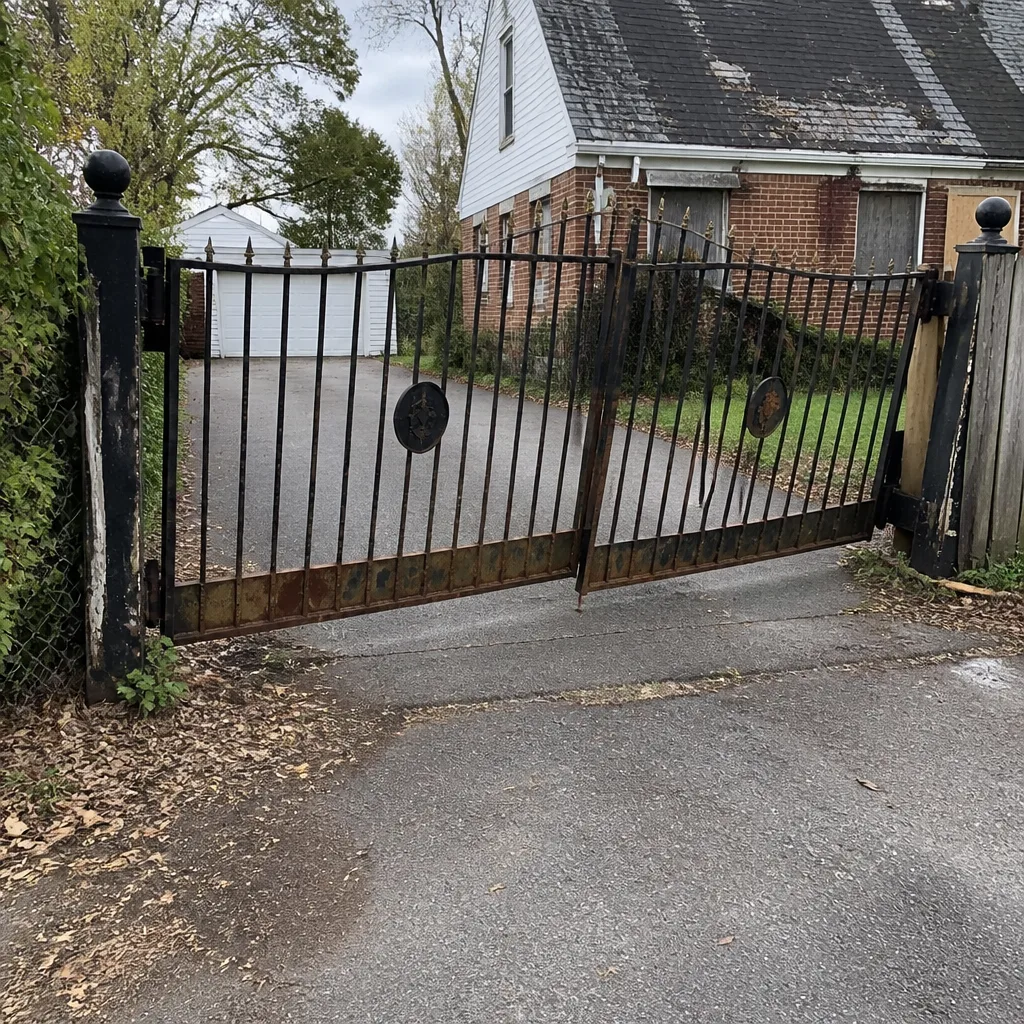 Before
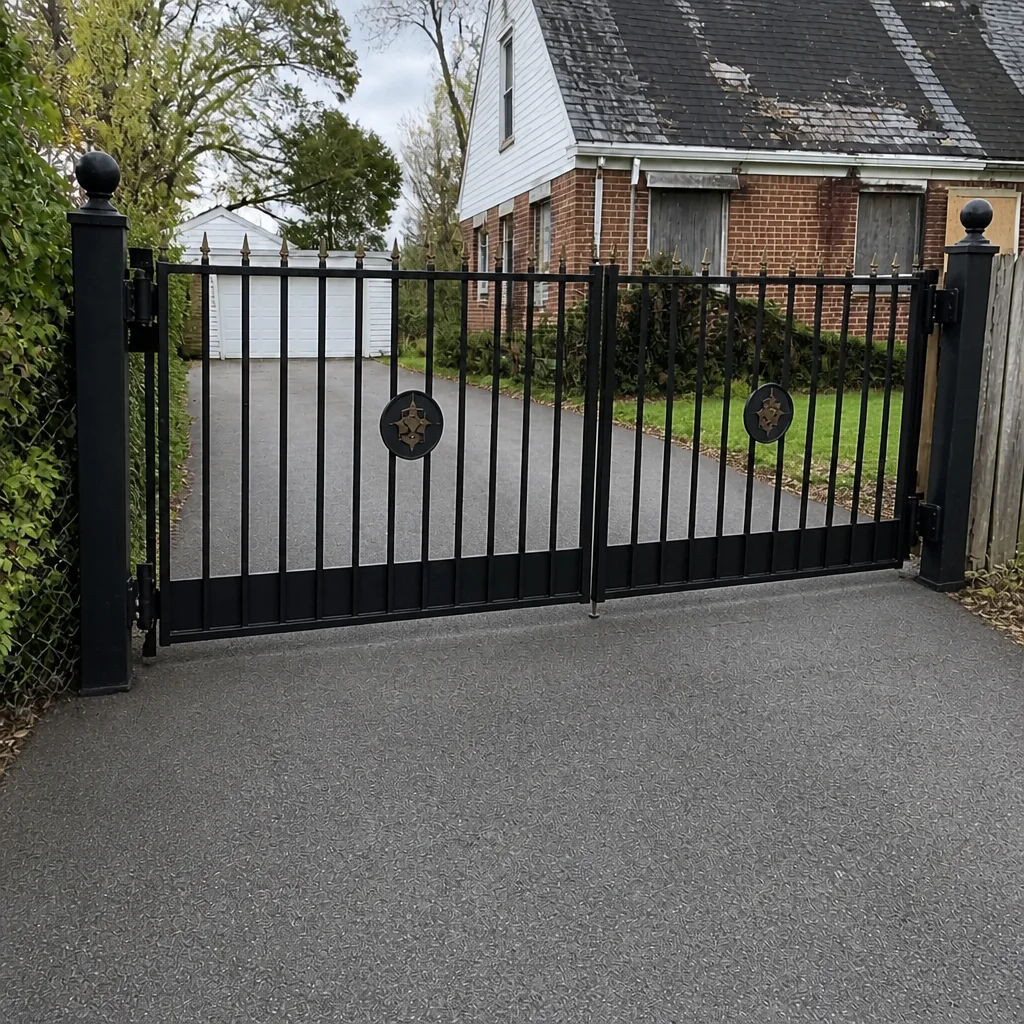 After
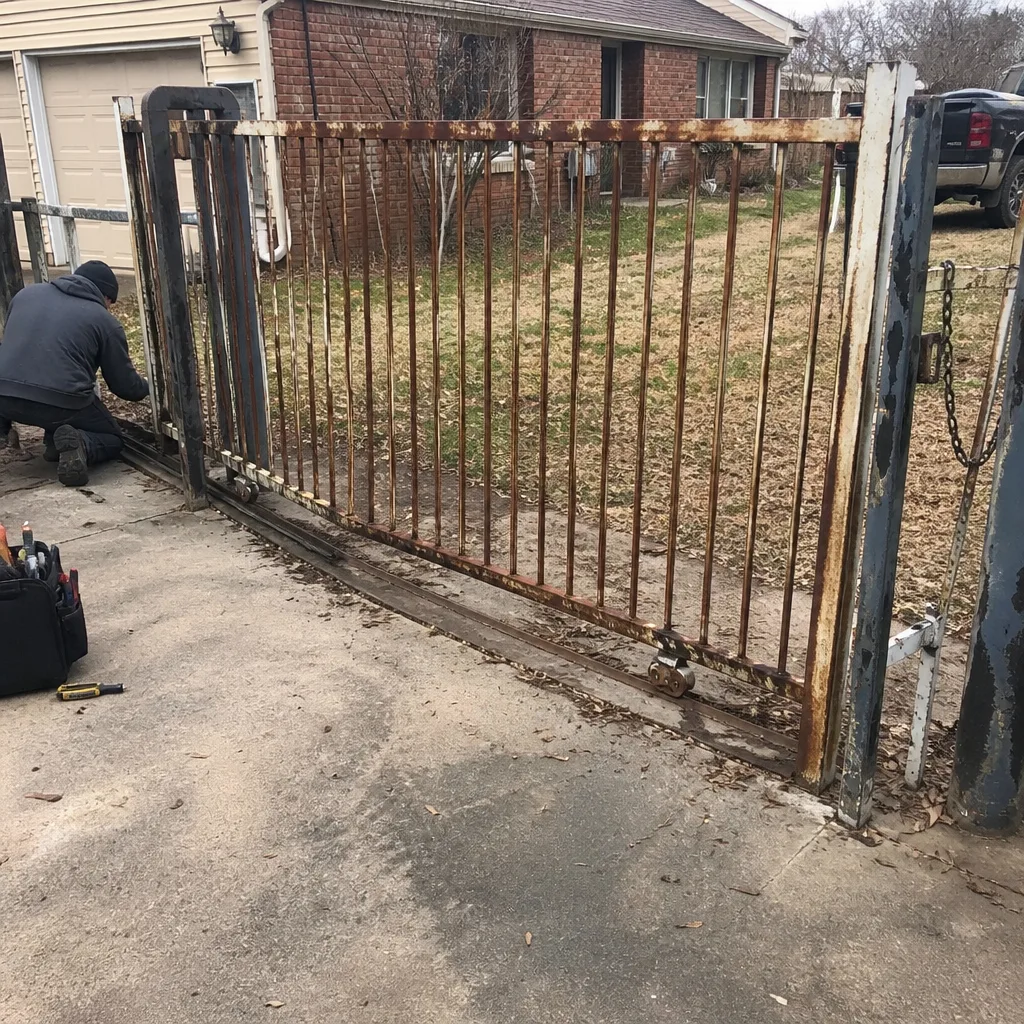 Before
 After
 Before
 After
When to Call a Professional
Call when a sound has changed, when the gate hesitates on startup, when a remote loses range, when an error code appears, or when you see rust bleed, white oxidation, or movement at a post. Call immediately if the gate hums without moving, reverses unpredictably, has a safety function that isn’t working, or has a panel or post that’s come out of line. Anyone who’s not comfortable working around a powered operator should call rather than investigate. As gate-only specialists, we diagnose and repair whatever brand is on your gate, and there’s no upcharge for moving quickly on a safety issue. Ashton Gate Repair offers free estimates in Virginia Beach, and our technicians have up to 14 years of experience. Call (844) 834-3028. We answer 24/7. Fast dispatch from 7am to 7pm, Sunday through Friday.
Frequently Asked Questions
The first warning signs are usually a new or changing sound (grinding, clicking, or humming without movement), a gate that hesitates before it moves, a remote that’s lost range, or a visible change in alignment. Any one of these is worth a look, and two together are a reason to stop cycling the gate and have it inspected.
A gate that hums without moving is receiving power but the motor can’t turn, which usually points to a seized bearing, a jammed gate, a binding track, or a failed capacitor on some operators. Stop cycling it, because a stalled motor heats up quickly and can burn out the motor winding or control board. Call (844) 834-3028 for a diagnosis; estimates are free.
A gate that needs adjustment still moves and stops where it should, just imprecisely: it needs a harder press on the remote, closes with a small gap, or reverses at one point each cycle. A gate that needs repair grinds, hums, stalls, moves, or has a structural change at a post. Adjustments are usually a single visit; repairs may need parts, so the diagnosis on the phone matters.
A gate that misbehaves only in wet weather usually has moisture in the operator enclosure, a marginal connection on the control board, or a safety sensor that’s taking in water. Virginia Beach humidity makes this a common pattern. The wet-weather behavior is the diagnostic clue, so tell us when a gate behaves differently in rain.
Surface rust on a steel gate is cosmetic, but rust bleed that streaks from a weld, a bolt, or the bottom rail means corrosion from inside a cavity, and that’s a structural warning. On aluminum, look for white chalky oxidation at joints and base plates instead. Tell them apart before you paint, because a coat of paint over a rust streak hides a problem that’s still progressing.
Error codes narrow the fault to a specific input, which is genuinely useful, but the code isn’t the full diagnosis. Write down the exact code and how many times it flashes, and which point in the gate’s travel it appeared. On a DoorKing system the code often points at a loop detector or safety input; on a Ghost Controls or Elite operator, it may point at an obstruction or a limit. Call with that detail and we’ll know where to start.
The Bottom Line
Gate failures rarely arrive without warning. A slowing gate, a changing sound, a remote that reaches less far, a rust streak, or a post that’s started to move are all facts the gate has given you, and each one maps to a specific mechanical or electrical cause. The work is knowing which symptoms mean “watch it” and which mean “stop cycling the gate now.” This guide is built to help you tell them apart, check your gate monthly, describe the fault accurately when you call, and catch the small repairs before they turn into the big ones. We work on the gate you have, whatever brand is on it, and every job is quoted and agreed before any work starts. Call (844) 834-3028 for a free estimate. We answer 24/7. Fast dispatch from 7am to 7pm, Sunday through Friday.
Written by the team at Ashton Gate Repair.